
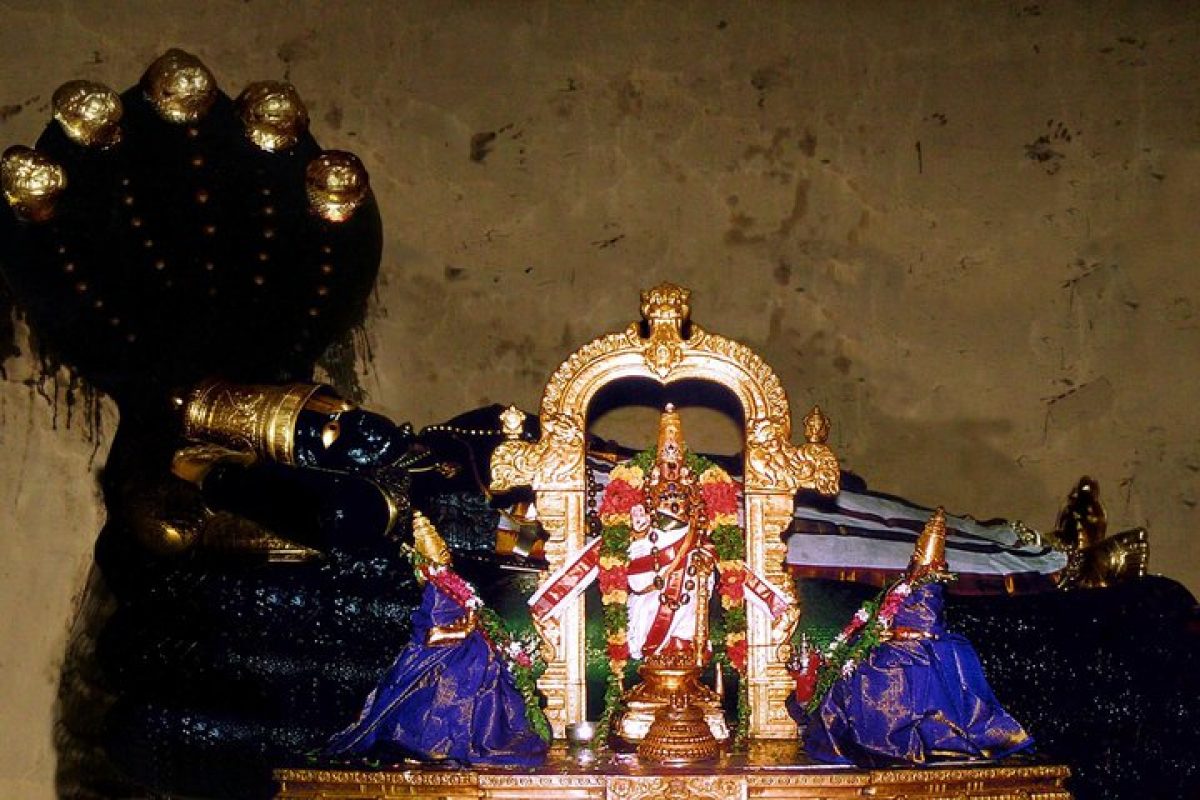
मूल- मुमुक्षोश्चेतनस्य मोक्षोत्पत्तौ तत्त्वत्रयज्ञानमपेक्षितम् ।
भाष्यम्-
मुमुक्षुर्मोक्षेच्छावान् संसारविमोचनेच्छावानिति यावत्। मुमुक्षोः इत्यनेन संसारनिवृत्ताविच्छोत्पत्तिर्दुर्लभेति सूच्यते। एतदिच्छाऽनुत्पत्तेरेव ह्यनादिकालं सम्सरत् । उज्जिजीवयिषुः सर्वेश्वरोऽप्येतदिच्छोत्पत्तिपर्यन्तं विलम्बते संसारं द्रढ़यितुमिच्छां कुर्वत आत्मनस्तन्निवृत्ताविच्छोत्पत्तिर्दुर्लभा खलु, इदानीमस्य चेतनोक्तिरपि साभिप्राया; सचाभिप्रायः – ‘चैतन्यप्रयोजनसिद्धयुपक्रम इदानीमेव’ इति, अनादिकालं व्यर्थमेव जातम् चैतन्यमुज्जीवनानुपयुक्तत्वात्। अथ संसारनिवृत्तीच्छा च निरस्तातिशयाह्लादसुखभवैकलक्षणाया भगवत्प्राप्तेरुपयुक्ता । ‘लक्ष्मीकान्तमेकमेव विषयीकरोति यत् तदेव हि ज्ञानम्‘, आत्मप्राप्त्यर्था संसारनिवृत्तीच्छा तु विपरीतज्ञानकार्यम् । तस्माद्भगवत्प्राप्ति विरोधिनः संसारस्य विमोचन इच्छावतोऽधिकारिणस्तादृशमोक्षरूपपुरुषार्थसिद्धौ तत्त्वज्ञानमपेक्षितमित्यर्थः ।
न च तत्त्वज्ञानोत्पत्तेः प्राक् कथं मुमुक्षेति वाच्यम्। “परीक्ष्य लोकान्” “जायमानम्” इत्यादि श्रुतिस्मृत्युक्तप्रक्रियया तत्सम्भवात् । तत्त्वज्ञानस्यावश्यापेक्षितत्वोक्त्या तत्त्वज्ञानान्मोक्ष इति नियमः स्मारितः, तत्त्वज्ञानान्मोक्ष इत्येतत्सकलसिद्धान्तसाधारणम्; मोक्षतत्त्वयोरेव हि विप्रतिपत्तिः । नन्वेवं ज्ञानान्मोक्ष इति नियमस्वीकारे ।
पशुर्मनुष्यः पक्षीवा ये च वैष्णवसंश्रयाः । तेनैव ते प्रयास्यन्ति तद्विष्णोः परमंपदम् ।।
यं यं स्पृशति पाणिभ्यां यं यं पश्यति चक्षुषा ।
स्थावराण्यपि मुच्यन्ते कि पुनर्बान्धिवा जनाः ।।
इति ज्ञानायोग्यतिर्यक्स्थावराणामपि वैष्णवसम्बन्धेन मोक्षसिद्धिप्रतिपादकवचनानां वैयर्थ्यं स्यादिति चेन्न, तेषां मुमुक्षुत्वाभावात् । प्रकृतेमुमुक्षोश्चेतनस्य मोक्षसिद्धौ तत्त्वज्ञानमपेक्षितमित्युक्तम् । तत्र मुमुक्षुत्वतत्त्वज्ञानयोरुभयोरभावेऽपि तदुभयपरिपूर्णस्य कस्यचिद्वैष्णवस्याभिमान एव कायर्यकर इत्युक्तम्।
अतोऽभिमानिनोज्ञानविशेषं दृष्ट्वाऽभिमानान्तर्भूतस्यास्येश्वरः कार्य करोतीति ज्ञानान्मोक्ष इत्येतन्त्रियमस्तत्र सद्वारकस्सिध्यति । तत्त्वज्ञानमित्यनुक्त्वा तत्त्वत्रयज्ञानमित्युक्तत्वाद् न्यूनाधिकतत्त्वान्यभिदधतां बाह्यकुदृष्टीनां मतं प्रतिक्षिप्तम् । अनेन तत्त्वत्रयमितिनिर्णयकरणे प्रमाणं निर्दोषप्रमाणभूतो वेदान्तः । तत्र ‘भोक्ता भोग्यं प्रेरितारं च मत्वा ।’ इति भोक्तृभोग्यप्रेरयितृशब्दै: चिदचिदीश्वरात्मकतत्त्वानि त्रीण्यभिहितानि । तस्माद्वेदान्तप्रतिपाद्यं तत्त्वत्रयमिति निश्चित्य मोक्षसिद्धी तत्वत्रयज्ञानमपेक्षितमित्युक्तम् ।
ननु “तमेवं विद्वानमृत इह भवति” “नान्यः पन्था अयनाय विद्यते” इति वेदान्तैर्भगवत्तत्त्वज्ञानस्यैव मोक्षोपायत्वमभिहितम् । अनेन तत्त्वान्तरपरिज्ञानस्यापि मोक्षोपायत्वं कथमुच्यत इति चेत् ? भगवत्तत्वस्य सकलचेतनाचेतनविलक्षणत्वेन तेषां कारणत्वेन व्यापकत्वेन धारकत्वेन शेषित्वेन च ज्ञातव्यतया तत्त्वान्तराभावे ईश्वरस्यैव ज्ञानासम्भवात् तत्त्वत्रयज्ञानापेक्षा निरबाधा।
“भोक्ता भोग्यं प्रेरितारं च मत्वा ।” “पृथगात्मानं प्रेरितारं च मत्त्वा जुष्टस्ततस्तेनामृतत्वमेति” इतिश्रुतेरयमेवाशयः । अन्यथा तमेवं विद्वानितिश्रुतिविरोधापत्तेः । अत एवमेव तच्छ्रुतिच्छाययाऽभिहितम् । तस्मान्न वेदान्तविरोधप्रसङ्गावकाशः ।

 Ramanujasiddhantam
PRABHU CAN YOU PLEASE EXPLAIN SB 10.14.14
LikeLike
I guess, this is the shloka you referred to:
नारायणस्त्वं न हि सर्वदेहिना-
मात्मास्यधीशाखिललोकसाक्षी ।
नारायणोऽङ्गं नरभूजलायना-
त्तच्चापि सत्यं न तवैव माया ॥ १४ ॥
You can read multiple commentaries here: https://archive.org/details/srimad-bhagavata-multiple-commentaries/sb_canto_10/page/n1481/mode/1up?view=theater
Brahma, who earlier received gyaanam from Bhagwan and who protected Vedas and gave gyaanam again to him, got deluded and considered Krishna as some ordinary child. He decided to test him and in turn repents in these shlokas:
Naarayanah na hi tvam? : Are you not NarayaNa? (Meaning, you are Narayana only. It is stressed here)
How,
1. sarvadehinaam aatma asi: Bhagwaam is antaryaami aatma of every jeevatma.
Naara means sarva dehi i.e. all jeevatmaas.
Naaraanaam ayanam NarayaNa i.e. one who is the ayana (support, means, destination) of all jeevatmas. The word ‘ayana’ comes from iN gatau dhaatu which gives several meanings to the word ayana.
Bhagwaan being the antaryaami aatma of all, supports, owns and holds them and thus all the jeevatmas, being his body, are subservient to and dependent on Narayana.
2. Adheesh: Bhagwaan is the controller or pravartaka of everyone. He himself says in Bhagwan Gita “matah sarvam pravartate”
3. Akhil loka sakshi: Bhagwaan being antaryaami of every jeevatmas, is the drastha of our every activity. (iN gatau is gatyarthaka dhaatu and from ‘gatyarthah budhyarthah’ nyaaya, the word ayana would mean “sakshi”
and thus, you are NarayaNa (Naaraanaam ayanam). Meaning there is abheda (no difference) between Narayana and you.
How?
Here he quotes another meaning of the word Narayana which is quoted by Krishna himself in Mahabharata and also quoted in Manusmriti:
“आपो नारा इति प्रोक्ता आपो वै नरसूनवः । ता यदस्यायनं पूर्वं तेन नारायणः स्मृतः ॥
Nara refers to Bhagwaan as per Vishnu Sahasranaama (Jahnu NarayaNo Narah). From him is born waters. That was the ayanam of Bhagwaan (and thus he is called ‘Narabhujala-ayanah’) as Vishnu (Aniruddha vyuha form) or as Vatapatra-shaayi Krishna, who gave darshana to Markandeya. Since, Brahma here is joyous to see the bhagwaan’s form, who had given him gyaanam; the apt meaning here is Vishnu.
Brahma had received gyaanam but he wasn’t able to see him. The story is dealt in details earlier in Bhagwatam. Now, he is able to see him and his saying, “Are you not the Narayana, who lies on the Ksheera ocean waters?”
*नारायणोऽङ्गं नरभूजलायनात्तच्चापि सत्यं न तवैव माया ॥*
Vidwans like Sridhara swami, Sudarshana Suri, Shrinivaas suri, Sri Shukadeva and Goswami Giridhara laal etc have interpreted the word ‘anga’ as ‘murti’ or ‘vapu’. The Narayana, lying on the waters is also your form only i.e. you are the same Narayana who gave me knowledge.
It is to be understood here that Bhagwaan as his aatma-swarupa is omnipresent. He is all-pervading, present everywhere. Bhagwaan also takes a asaadhaaran mangal vigraha or body to appear to us like Vishnu, Krishna, Rama etc. In Vishishtadvaita siddhanta, Bhagwaan is different from his body. Bhagwaan takes several bodies but that doesn’t make them different as the aatma is same. The shape of the body only differs. What is the asaadhaarana lakshana of his body? It’s the presence of Mahalakshmi on his chest in the form of Sri Vatsa Chinha. In Ramayanam and Mahabharatam, Valmiki and Vyaasa addresses bhagwaan as one having Mahalakshmi on his chest. Meaning, he is the Bhagwaan, Sarveshwara, Narayana.
Veer Raghavacharya swami quotes a nyaaya here “Raho: shira iti vat tavaiva angam iti abheda sambandhe shashthi”. There is a popular nyaaya “Rahoh shiram”, which can be translated as “the head of Rahu”. What does this mean? The head itself is Rahu? What does it mean to say the “head of Rahu”? It means ‘NON-DIFFERENCE’
Thus, ‘Narayanah angam tavaiva’ here would mean that ‘ YOU ARE NON-DIFFERENT FROM NARAYANA’
Bhagwatprasaadaacharya also gives the same meaning, quoting, “raho: shir itivat tava angam iti abheda sambandhe shashthi. soapi tvameva ityarthah”
त्तच्चापि सत्यं न माया : That form/murti is satya and not maayaa.
Also, it’s important to read the shloka, along with upcoming two shlokas, 15 and 16; failing to which people misinterpret the meanings, which goes contrary to the context.
LikeLike