
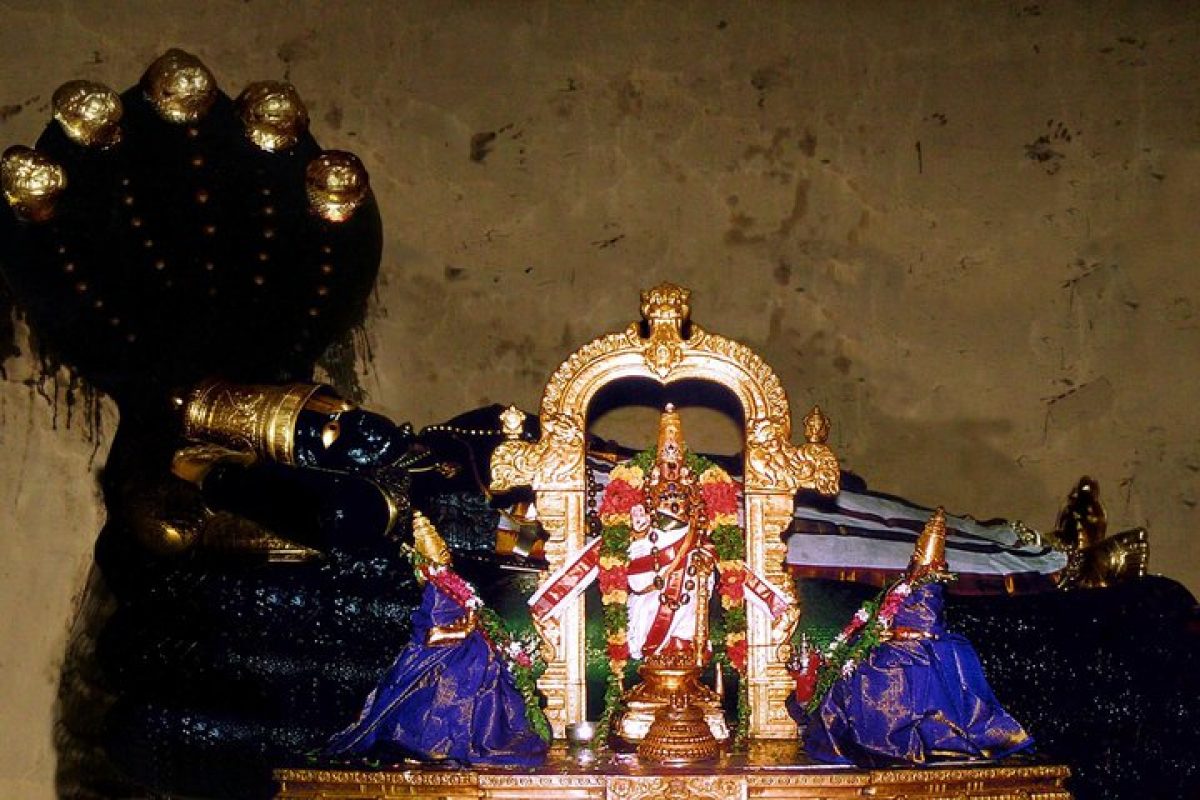
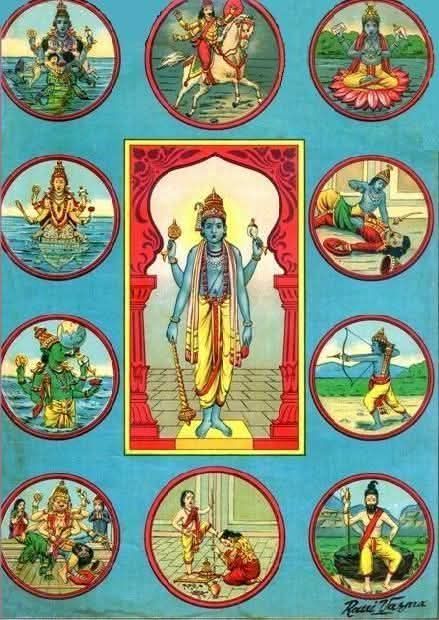
Vibhav roopams of Bhagwan
अजोऽपि सन्नव्ययात्मा भूतानामीश्वरोऽपि सन्।
प्रकृतिं स्वामधिष्ठाय संभवाम्यात्ममायया।।BG 4.6।।
Though I am unborn, blemisheless; I am born out of my own free will, by employing my own self-nature (swabhaava).
बहूनि मे व्यतीतानि जन्मानि तव चार्जुन।
The number of births of Bhagwan is infinite. He is born among devaas, Manushyas, tiryak, sthaavar etc and takes bodies similar to them.
अजायमानो बहुधा विजायते।
Bhagwaan out of his own free will, comes down in various forms. Those forms are called Vibhava avataras.
Q. How are we translating ‘maayaa’ as ‘free will’
माया वपुनं ज्ञानम् (कोश)
Here, Maya means gyaanam. Thus, maaya here (संभवाम्यात्ममायया) is the ‘free Will’ of Bhagwan. प्रकृतिं स्वामधिष्ठाय means Bhagwan comes with his own prakriti or nature. He doesn’t change. He is the same Bhagwan who is present in Sri Vaikuntham.
In Bhagwad Gita Bhashya, Ramanuja swami writes:
ब्रह्मादिदेवमनुष्याणां ध्यानाराधनाद्यगोचरः अपि अपारकारुण्यसौशील्यवात्सल्यौदार्यमहोदधिः, स्वमेव रूपं तत्तत्सजातीयसंस्थानं स्वस्वभावम् अजहद् एव कुर्वन् तेषु तेषु लोकेषु अवतीर्य अवतीर्य तैः तैः आराधितः, तत्तदिष्टानुरूपं धर्मार्थकाममोक्षाख्यं फलं प्रयच्छन्, भूभारावतारणापदेशेन अस्मदादीनाम्अपि समाश्रयणीयत्वाय अवतीर्य सकलमनुजनयनविषयतां गतः।
Key point here is: स्वस्वभावम् अजहद् एव कुर्वन्। Without leaving his very nature, when he is born among devas, manushyas, tiryak etc.
Why are avataras called Vibhava?
स उ श्रेयान भवति जायमानः ।
By taking birth only he becomes glorified.
Thus, when he is born in the sansara and becomes the subject of the eyes of everyone, that is what makes him glorious. In Vibhava avatara only, the vaibhav of bhagwan is seen.
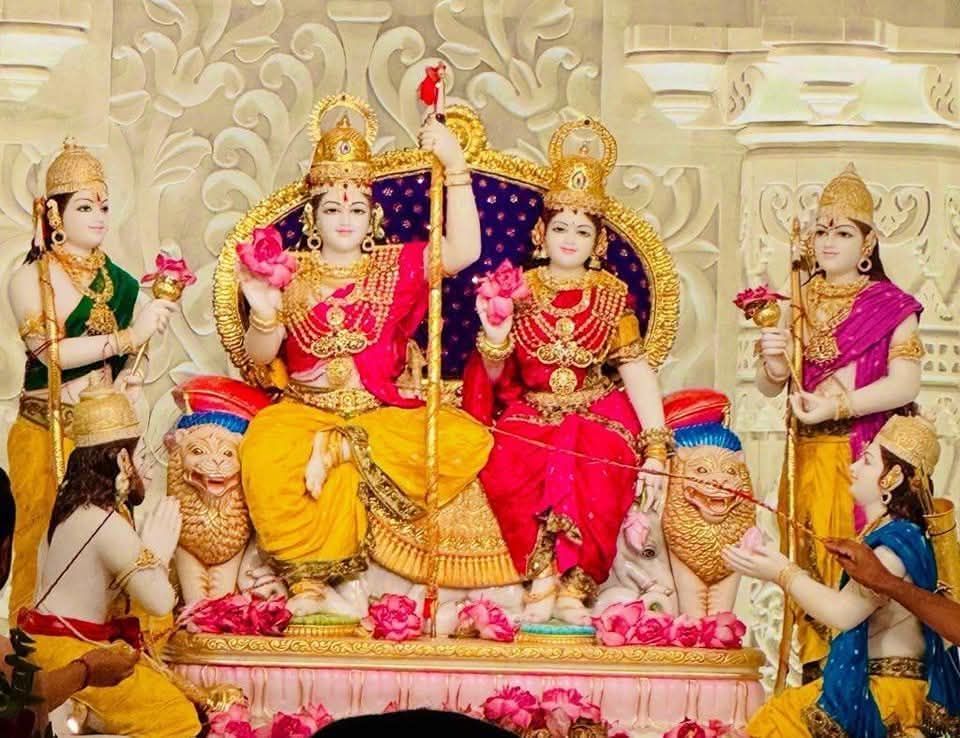
What is the purpose of Bhagwan taking vibhava avataras?
Bhagwan himself says:
परित्राणाय साधूनां विनाशाय च दुष्कृताम्।
धर्मसंस्थापनार्थाय संभवामि युगे युगे।।4.8।।
Bhagwan lists three reasons for his avataras: saadhu paritraanam, dushkrit vinaasham, dharm sansthaapanam. Out of the three, Bhashyakaar swami explains that Saadhu paritraanam or protecting his devotees is the mail goal of his incarnation. As these Saadhus are foremost of the vaishnavas and they can’t live without him. Without him, their life is fish out of the water. For the sake of them, Bhagwan comes and shows his mangal vigraham in front of them and protects them.
In Gita Bhashya, Bhashyakaara swami says that for devotees like Akrura, Maalaakara etc, he has come as Krishna. Dusht-vinaashanam is just a vyaaja.
Q. Some people say that Bhagwan took birth due bhrugu-shraapa etc karmas?
Rishi shraapa as vyaaja for avatara
Answer: There is a difference between our birth and the birth of Bhagwan. Our birth is due to karma and to suffer the fruits of karma. Whereas, the birth of bhagwan is due to his own will/ichchha.
Bhrigu had given a curse that you will suffer with separation from wife:
पतिव्रता धर्मपरा हता येन मम प्रिया ।
स तु प्रियाविरहितश्चिरकालं भविष्यति ।।
However, Bhagwan himself says that rishi-shraapa was his own will and he took it as vyaaja to come as Rama.
तपसाऽऽराधितो देवो ह्यब्रवीद्भक्तवत्सलः ।
लोकानां सम्प्रियार्थन्तु शापं मद्भाह्यमुक्तवान् ।।
In Linga purana:
सर्वावर्तेषु वै विष्णोर्जननं स्वेच्छयैव तु ।
जरकास्त्रच्छलेनैव स्वेच्छया गमनं हरेः ।।
द्विजशापच्छलेनैवमवतीर्णोऽपि लीलया ।।
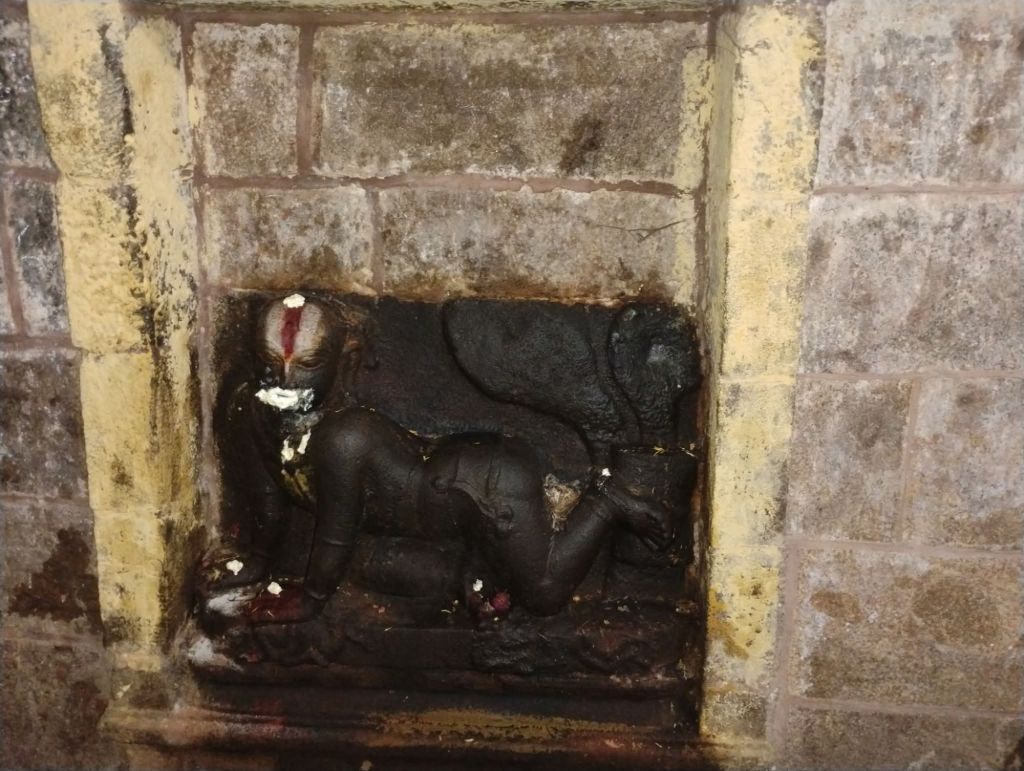
Classifications of Vibhava avataras
Among the Vibhava avataras, there are two broad categories:
- Pramukha avataras or swayam avataras.
- Gauna avataras or aavesha avataras.
Both mukhya and gauna avataras are infinite.
अवतारा ह्यसङ्ख्येया हरे: सत्त्वनिधेर्द्विजा: ।
यथाविदासिन: कुल्या: सरस: स्यु: सहस्रश: ॥ श्रीमद्भागवत १.३.२६ ॥
Mukhya avatara means Bhagwan himself taking forms of deva, manushya, tiryaka etc. In all these forms, he is ‘swayam bhagwan’. Mukhya avataras are superior. Examples are: Varaaha, Narasimha, Rama, Krishna, Vaamana, Kalki etc.
Gauna avataras are amukhya. In these avataras, bhagwan doesn’t take form himself but empowers a jeevatma with his swarupa or shakti. Thus, gauna avataras can also be classified into two categories:
A. Swarupa aavesha : Being present with his asaadhaarana vigraha inside a jeevatma. E.g. Parashuram, Buddha etc.
B. Shakti aavesha : Empowering a jeevatma for a certain period of time, for a particular function, with his shakti. Examples are Rudra, Brahma and also Kaartaveerya Arjuna etc.
Important note:
In swayam avataras, bhagwan takes shareera which are not prakrita but shuddha-sattva apraakrita tattvas. Shuddha Sattva is swayam-prakash dravyas. Thus, they are called shubhaashraya tirumeni. Upon meditating on these forms, we get filled with sattva gunas and rajas, tamas vanishes away.
Whereas, aavesha avataras are jeevatmas only, with prakrita vigrahas (made of panch-bhootas). Praakrita tattvas are ‘bhagwad-swarup-tirodhaan-kareem’. They don’t reveal the bhagwad-swarupa.
It’s not recommended for mumukshus to meditate on aavesha avtaras, they will enhance rajas and tamas in us. However, bhubhukshus meditate on them for material gains.
अनर्ध्यानपि वक्ष्यामि प्रादुर्भावान् यथाक्रमम् ।
चतुर्मुखस्तु भगवान् सृष्टिकार्ये नियोजितः ।।
शङ्कराख्यो महारुद्रः संहारे विनियोजितः ।
मोहनाख्यस्तथा बुद्धो व्यासश्चैव महानृषिः ।।
वेदानां व्यसने तत्र देवेन विनियोजितः ।
अर्जुनो धन्विनां श्रेष्ठो जामदग्न्यो महानृषिः ।।
वसूनां पावकश्चापि वित्तेशश्च तथैव च ।
एवमाद्यैश्च सेनेश प्रादुर्भावैरधिष्ठिताः ।।
जीवात्मानः सर्व एते नोपास्या वैष्णवैः सदा ।
आविष्टमात्रास्ते सर्वे कार्यार्थममितद्युते ।।
अनर्ध्याः सर्व एवैते विरुद्धत्वान्महामते ।
अहंकृतियुताश्चेमे जीवमिश्रा व्यधिष्ठिताः ।।
(Vishwaksen Samhita)
We can see in SriRamayanam that Swarupa aavesha avatar Paradhurama wins over Shaktyaavesha avataar Kaartaveerya Arjuna. While swayam avatara Sri Rama wins over Parashurama. Thus, Mukhya avatara is greater than aavesha avataras.
ऋषयो मनवो देवा मनुपुत्रा महौजस: ।
कला: सर्वे हरेरेव सप्रजापतय: स्मृता: ॥ २७ ॥एते चांशकला: पुंस: कृष्णस्तु भगवान् स्वयम् ।
इन्द्रारिव्याकुलं लोकं मृडयन्ति युगे युगे ॥ २८ ॥
“Rishis, Manu, devas etc are aavesha avatars of Hari. Krishna etc are swayam bhagwan.”
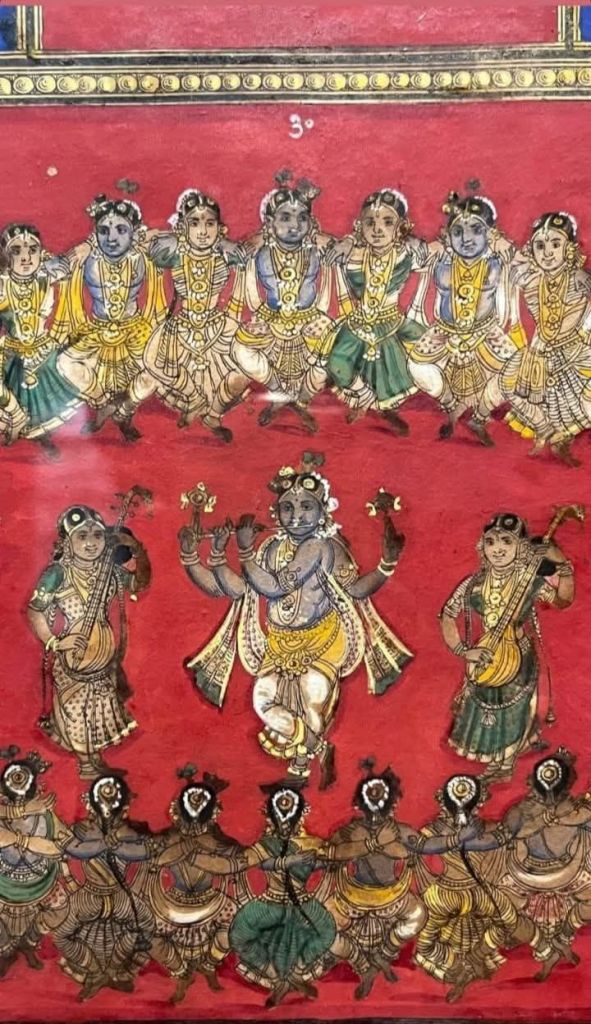
Buddha is sometimes counted in swayam avataras as well as aavesha avataras. Parashurama is counted as both swarupa aavesh and Shakti aavesha. This has to be understood as kalpa bhedas.
Glories of Vibhava avatara
Kooresha swami says:
(वरदराजस्तव)
एवं स्थितेत्वदुपसंश्रयणाभ्युपायो
मानेन केनचिदलप्स्यत नोपलब्धुम् ।
नो चेदमर्त्यमनुजादिषु योनिषु
त्वमिच्छाविहारविधिना समवातरिष्यः ।।
If you don’t descend with manushya shareera, and remain in Para loka, none could know about upaay and none could reach.
Thus, coming down as vibhava avataras by taking sajaatiya bodies is the greatest kripa of bhagwan.
Mukhya Vibhava avataras are those in which bhagwan himself takes a body, as per his avataram. The bodies of bhagwaan in these swayam avataras are apraakrita, Shuddha Sattva, Swayam Prakasha and shubhaashraya.
Only these swayam avataras are upaasya for mumukshu jeevatmas.
As told in ‘ajo api san avyavyaatma bhutaanaam Ishwaro api san‘; such bhagwan who is blemish-less and controller of all, takes a form without leaving his swabhaaba of sarva-Ishwaratvam.
Just like a deepam (diya) is lighted from another deepam, similarly bhagwan takes one form from another form. Just like when a deepam is lighted from another deepam, it doesn’t differ it’s swarupa, similary when one mangal vigraha (body) emerges from another mangal vigraha, it doesn’t lose it swabhaavam and remains apraakrita mangal vigraha.
It should be noted that in all the swayam avatara forms, bhagwan remains the same. There is only change in the forms of the body. Aatma of all those bodies is the same Ishwara.
All the avtaras evolves from Aniruddha Vyuha as rakshana kaarya belongs to Aniruddha. As discussed earlier, In Aniruddha, Shakti and Tejas guna are meditated. Shakti is aghatit-ghatana-saamarthyam of taking a fallen jeevatma to Nitya loka and Tejas is overpowering the evils and not needing any sahakaari.
भुजायुधानां नियम: तत्रतत्रेच्छया मया (Vishwaksen Samhita)
The number of hands and the types of aayudhas in a particular Vibhava avatara depends upon the free-will of Bhagwan. There is no fixed rule. The only rule is his wish.
As these are atyant gopaneeya (highly secret), it is not generally revealed in open and revealed only to yogya upasakas.
Also in Vishnu Puran:
इच्छागृहीताभिमतोरुदेह:।
निज इच्छा निर्मित तनु माया गुण गोपार (मानस)
Bhagwan takes bodies as per his will.

 Ramanujasiddhantam
One thought on “Vibhava roopa of Bhagwan”