
प्रधान-प्रतितंत्र
शरीर-आत्मा भाव
वेदों को ‘अपौरुषेय, नित्य, शाश्वत और निराकार’कहा गया है। वेद भगवान के स्वांस हैं। वेद-व्यास स्वयं भगवान के ‘ज्ञान-शक्ति’ अवतार कहे जाते हैं, जिन्होंने वेदों को ४ भागों में विभाजित किया और तदन्तर प्रत्येक वेदों को ४ उप-भागों में:
- मंत्र संहिता (उपासना, यज्ञ और कर्म-कांड के मंत्र)
- ब्राह्मणम् (यज्ञों और कर्मकांडों की विस्तृत विधि)
- अरण्यक (संहिताओं और ब्राह्मणों के ऊपर टीका)
- उपनिषद या वेदांत (ब्रह्म-कांड)
हमारे यहाँ 3 नास्तिक (अवैदिक) और 6 आस्तिक (वैदिक) दर्शन हैं:
नास्तिक दर्शन
(१) चार्वाक (२) बौद्ध (३) जैन
आस्तिक (वैदिक दर्शन)
(१) न्याय (गौतम)
(२) वैशेषिक (कणाद)
(३) सांख्य (कपिल)
(४) योग (पतंजलि)
(५) पूर्व-मीमान्षा (जैमिनी)
(६) उत्तर-मीमान्षा (बादरायण)
मीमान्षा दर्शन
मीमान्षा का अर्थ है वैदिक आदेशों की पड़ताल और व्याख्या। मीमान्षा में कुल २० अध्याय हैं, जिनमें आखिरी के ४ अध्याय को ज्ञान-कांड या ब्रह्म-काण्ड कहा गया है, जिनमें विशुद्ध दर्शन है। अराधना किसकी की जाए, इसका उत्तर उत्तर-मीमान्षा में है जबकी अराधना कैसे की जाए, इसका उत्तर पूर्व-मीमान्षा में है। भगवान वेद-व्यास (बादरायण) ने वेदांत-दर्शन के सार-स्वरुप ‘ब्रह्म-सूत्र’ की रचना की।
अद्वैत दर्शन (शंकराचार्य)
- ब्रह्म निर्गुण है
- ब्रह्म सत्यम जगत मिथ्या, जीवा ब्रह्म एव ना परः
- ज्ञान ही मुक्ति का एक मात्र मार्ग है
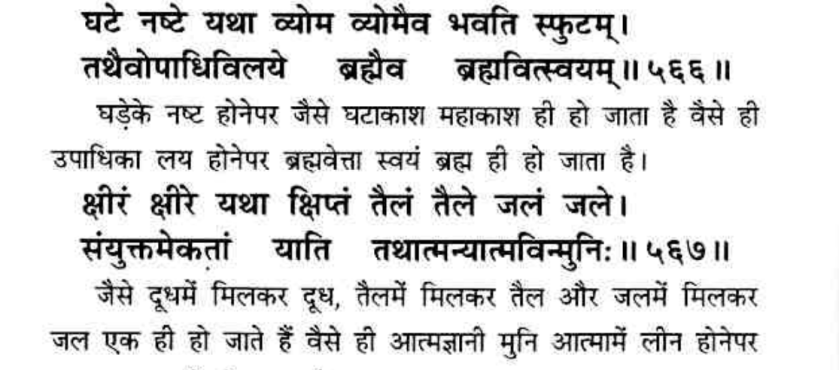
- उपाधि या अविद्या के कारण जीव अपने को ब्रह्म का अंश मानता है पर उपाधि के नष्ट होने पर जीव ब्रह्म ही हो जाता है।
विशिष्टाद्वैत दर्शन
- ब्रह्म निर्गुण नहीं अपितु अनंत कल्याण गुणों से विशिष्ट है (अनंत कल्याण गुणाकार)। निर्गुण, निरंजन शब्द का अर्थ ब्रह्म का दोष-रहित होना है (अखिल हेय प्रत्यनिक)।
- ब्रह्म द्वारा निर्मित होने के कारण जगत मिथ्या नहीं अपितु सत्य है। ब्रह्म, जीवात्मा और माया (तत्त्व-त्रय); तीनों ही सत्य और नित्य हैं।
- जीव अणु और ब्रह्म का शाश्वत अंश है। आत्मा और प्रकृति, ब्रह्म से अपृथक और ब्रह्म के विशेषण हैं (अपृथक सिद्धि विशेषण) जैसे धोती से उसकी सफेदी। ब्रह्म चेतन आत्मा और अचेतन प्रकृति से विशिष्ट है। यह विशिष्ट ब्रह्म से पृथक कोई तत्त्व नहीं है। यही विशिष्टाद्वैत (विशिष्ट अद्वैत, विशिष्टयो: अद्वैतं)है।
- भक्ति या शरणागति ही मुक्ति का सर्वोत्तम मार्ग है।
- मुक्ति के बाद भी जीव ब्रह्म नहीं हो सकता। ज्ञान और आनंद में जीवात्मा ब्रह्म के बराबर हो जाता है। जीवात्मा मुक्ति के बाद नित्य वैकुण्ठ लोक में ब्रह्म की सेवा करता है।
रामानुजाचार्य स्वामीजी के लिये सबसे बड़ी चुनौती शास्त्र के उन वाक्यांशों का विवेचन करना था जो जीव और ब्रह्म की एकता प्रतिपादित करते हैं। रामानुज स्वामीजी ने बोधायन-वृत्ति और सठकोप सूरी आलवार के सिद्धांतों के अनुसार “शरीर-आत्मा भाव”, “कार्य-कारण भाव”, “प्राकार-प्राकारी भाव” और “अपृथक सिद्धि विशेषण” के जरिये भेद श्रुति एवं अभेद श्रुती; जो परस्पर विरोधाभासी प्रतीत होते थे, उनका सामंजस्य किया।
अभेद श्रुति
अभेद श्रुति वेदों के वो मंत्र हैं जो जीव और ब्रह्म की एकता प्रतिपादित करते हैं।
- अहं ब्रह्मास्मि – “मैं ब्रह्म हुँ” ( बृहदारण्यक उपनिषद १/४/१०)
- तत्वमसि – “वह ब्रह्म तु है” ( छान्दोग्य उपनिषद ६/८/७)
- अयम् आत्मा ब्रह्म – “यह आत्मा ब्रह्म है” ( माण्डूक्य उपनिषद १/२)
- प्रज्ञानं ब्रह्म – “वह प्रज्ञानं ही ब्रह्म है” ( ऐतरेय उपनिषद १/२)
- सर्वं खल्विदं ब्रह्मम् – “सर्वत्र ब्रह्म ही है” ( छान्दोग्य उपनिषद ३/१४/१)
भेद श्रुति
भेद श्रुति जीव और ब्रह्म के मध्य भेद तो स्थापित करते हैं।
- नित्योऽनित्यानां चेतनश्चेतनानाम् एको बहूनां यो विदधाति कामान् ।। क.उ. २.२.१३; श्वे.उ. ६.१३॥
नित्य चेतन सर्वशक्तिमान् सर्वाधार परमात्मा अकेले ही बहुतसे नित्य चेतन जीवात्माओंके कर्मफलभोगोंका विधान करते हैं
- भोक्ता भोग्यं प्रेरितारं च मत्वासर्वं प्रोक्तं त्रिविधं ब्रह्ममेतत् ॥ श्वेताश्वतर उप.१.१२॥
मनुष्य भोक्ता (जीवात्मा), भोग्य (प्रकृति) और इन दोनोंके प्रेरक (ईश्वर) को जानकर सब कुछ जान लेता है। फिर कुछ भी जानना शेष नहीं रहता। प्रकृति, आत्मा और उन दोनोंके आधार तथा नियामक परमात्मा — ये तीनों ब्रह्मके ही रूप हैं।
- क्षरं प्रधानममृताक्षरम हरः क्षरत्मानाविशते देव एकः।। (श्वेताश्वतर उप.१.८०)
प्रधान यानि प्रकृति का नाम क्षर है और उसके भोक्ता अविनासी आत्मा का नाम अक्षर है। प्रकृति और आत्मा, इन दोनों का शासन एक देव पुरुषोत्तम करता है।
- द्वा सुपर्णा सयुजा सखाया समानं वृक्षं परिषस्वजाते।
तयोरन्यः पिप्पलं स्वाद्वत्त्यनश्नन्नन्यो अभिचाकशीति।। (अथर्ववेद काण्ड 9.14.20; ऋग्वेद मण्डल 1.164.20; कठ0 1.3.1; मुण्डक0 3.1.1; श्वेताश्वतर उप. ४.१.६)
यह मनुष्य शरीर मानो एक पीपलका वृक्ष है। ईश्वर और जीव — ये दोनों सदा साथ रहनेवाले दो मित्र मानो दो पक्षी हैं। ये दोनों इस शरीररूप वृक्षमें एक साथ एक ही हृदयरूप घोंसलेमें निवास करते हैं। शरीरमें रहते हुए प्रारब्धानुसार जो सुखदुःखरूप कर्मफल प्राप्त होते हैं? वे ही मानो इस पीपलके फल हैं। इन फलोंको जीवात्मारूप एक पक्षी तो स्वादपूर्वक खाता है। अर्थात् हर्षशोकका अनुभव करते हुए कर्मफलको भोगता है। दूसरा ईश्वररूप पक्षी इन फलोंको खाता नहीं? केवल देखता रहता है अर्थात् इस शरीरमें प्राप्त हुए सुखदुःखोंको वह भोगता नहीं? केवल उनका साक्षी बना रहता है।
- यस्मात्क्षरमतीतोऽहमक्षरादपि चोत्तमः। अतोऽस्मि लोके वेदे च प्रथितः पुरुषोत्तमः।।गीता 15.18।।
“क्योंकि मैं क्षर से परे और अक्षर से भी उत्तम हूँ, इसलिए लोक और वेद में पुरुषोत्तम नाम से प्रसिद्ध हूँ”।
घटक श्रुति (जो भेद और अभेद श्रुति का मेल कराते हैं)
- यः पृथिव्यां तिष्ठन्। पृथिव्या अन्तरो यं पृथिवी न वेद यस्य पृथिवी शरीरं यः पृथिवीमन्तरो यमयति स त आत्मान्तर्याम्यमृतः – {शतपथब्राह्मणम् १४.६.७.[७]}
- य आत्मनि तिष्ठन् आत्मनोऽन्तरो यमात्मा न वेद यस्यात्मा शरीरं य आत्मानमन्तरो यमयति स त आत्मान्तर्याम्यमृतः – {शतपथब्राह्मणम् १४.६.७.[३०]}
‘जो आत्मा में स्थित होकर आत्मा की अपेक्षा भी आन्तरिक है, जिसको आत्मा नहीं जानता, आत्मा जिसका शरीर है, जो आत्मा के अन्दर रहकर उसका नियमन करता है, वह अन्तर्यामी अमृत तेरा आत्मा है।’
- यः सर्वेषु भूतेषु तिष्ठन्सर्वेभ्यो भूतेभ्योऽन्तरो यं सर्वाणि भूतानि न विदुः। यस्य सर्वाणि भूतानि शरीरं यः सर्वाणि भूतायन्तरो यमयति। एष त आत्मान्तर्याम्यमृतः (बृहदाअरण्यक उ0 3।7।15)
‘जो सब भूतों में स्थित होकर समस्त भूतों की अपेक्षा आन्तरिक है, जिसको सब भूत नहीं जानते, सब भूत जिसके शरीर हैं, तथा जो सब भूतों के अन्दर रहकर उनका नियमन करता है, वह सर्वान्तर्यामी अमृत तेरा आत्मा है।
- एको वशी सर्वभूतान्तरात्मा एकं रूपं बहुधा यः करोति ।
तमात्मस्थं येऽनुपश्यन्ति धीरास्तेषां सुखं शाश्वतं नेतरेषाम् ।। कठोपनिषद 2.2.12 ।।
जो परमात्मा सदा सबके अन्तरात्मारूपसे स्थित हैं, जो अद्वितीय और सर्वथा स्वतन्त्र हैं, वे ही सर्वशक्तिमान् सर्वभवनसमर्थ परमेश्वर अपने एक ही रूपको अपनी लीलासे बहुत प्रकारका बना लेते हैं। उन परमात्माको जो ज्ञानी महापुरुष निरन्तर अपने अंदर स्थित देखते हैं।
- अहमात्मा गुडाकेश सर्वभूताशयस्थितः। अहमादिश्च मध्यं च भूतानामन्त एव च।। गीता 10.20।।
(अर्जुन! सब भूतों के हृदय में स्थ्ति आत्मा मैं हूँ और मैं ही सारे भूतों का आदि, मध्य और अन्त हूँ)।।
- सर्वस्य चाहं हृदि सन्निविष्टो मत्तः स्मृतिर्ज्ञानमपोहनं च (गीता 15।15)
- ईश्वरः सर्वभूतानां हृद्देशोऽर्जुन तिष्ठति। भ्रामयन् सर्वभूतानि यन्त्रारूढानि मायया।। (गीता 18।61)
- न तदस्ति विना यत्स्यान्मया भूतं चराचरम्। (गीता 10।39) (मुझसे पृथक कोई भी चल या अचल वस्तु नहीं है।)
- जगत् सर्वं शरीरं ते (वालमीकि रामायण-युद्धकाण्ड-117/25)
प्रभो!सम्पूर्ण जगत आपका शरीर है और उसी के अधीन हैं । जैसे देह देही आत्मा के अधीन रहता है । और जैसे आत्मा सम्पूर्ण देह में व्याप्त रहता है ठीक इसी प्रकार परमात्मा भी सम्पूर्ण चराचर में व्याप्त है
इसके अतिरिक्त रामानुजाचार्य ने निम्न साक्ष्य प्रस्तुत किये हैं: छान्दोग्य उप. (४.२.२-३); बृहदाअरण्यक उ0 (५.७.३); मुण्डक (३.१.१); तैत्रिय उप (११.६); श्वेताश्वर उप (१.१२, १.१७, १.२५, ६.३३); ऐतरिय उपनिषद.
शरीर-आत्मा भाव
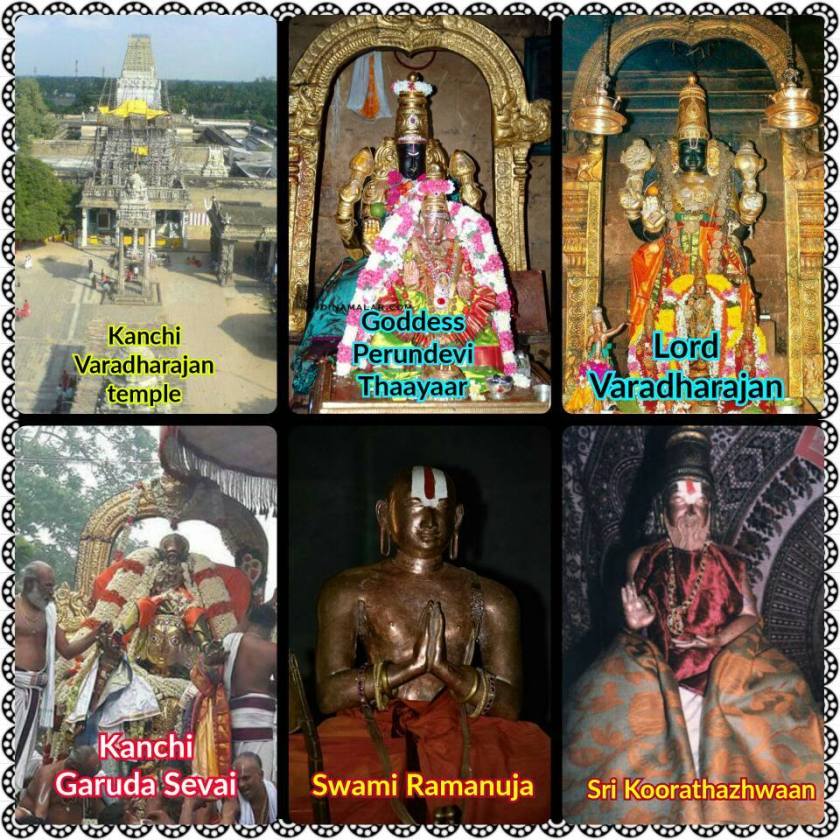
““समस्त चित और अचित ब्रह्म के शरीर हैं क्योंकि वो पूरी तरह से ब्रह्म द्वारा नियंत्रित और ब्रह्म पे आश्रित हैं तथा ब्रह्म के अधीनस्थ हैं। सूक्ष्म (प्रलय) और स्थूल (सृष्टी), दोनों ही अवस्था में आत्मा और प्रकृति ब्रह्म का शरीर है” (श्री-भाष्य १.१.९) । घटक श्रुति के अनुसार भगवान हर वस्तु और हर आत्मा में अन्तर्यामी के रूप में निवास करते हैं। अपनी निर्हेतुक कृपा और जीवात्मा के प्रति असीम प्रेम के कारण भगवान प्रत्येक आत्मा में परमात्मा के रूप में निवास करते हैं। इस तरह, हर आत्मा भगवान का अभिन्न अंश और भगवान का विशेषण (अपृथक सिद्धि विशेषण) है। rules from within.
श्री-भाष्य (२.१.९) में रामानुज स्वामीजी शरीर को परिभाषित करते हैं। कोई भी पदार्थ जो एक आत्मा अपने उद्देश्यों के लिए पूरी तरह से नियंत्रित करने और आधार देने में सक्षम है, और जो पूरी तरह से आत्मा के अधीनस्थ संबंध रहता है, वो उस आत्मा का शरीर है। हमारा शरीर पूरी तरह से हमारे नियंत्रण में है और हम इसे आकार देते हैं और अपने उद्देश्यों के लिए इसका इस्तेमाल करते हैं किन्तु ज्योंहि आत्मा शरीर से निकलती है शरीर का जल्द ही क्षय हो जाता है, और इसके तुरंत बाद यह ज्ञात होता है कि यह एक शरीर नहीं है।
जब हम एक आत्मा को शरीर से संयुक्त देखते हैं, तो हम व्यवहारिक रूप से दोनों को पृथक नहीं अपितु अवियोज्य (अभिन्न) देखते हैं। उदाहरण:- जब हम किसी को लंगड़ा, गोरा, कुण्डलों वाला, या दंडी स्वामी आदि संबोधनों से पुकारते हैं, तो हम वास्तविक में उस आत्मा को पुकारते हैं यद्यपि लंगड़ा, गोरा, कुण्डलों वाला, या दंडी स्वामी आदि का संबंध शरीर से है। जब हम किसी को नाम से पुकारते हैं, तो क्या नाम का संबंध आत्मा से है? नहीं, आत्मा को अनाम है। नाम तो शरीर का होता है, पर शरीर चेतनाहीन है, कभी पलटकर जबाब नहीं देगा। हम शरीर की पहचान से आत्मा को पुकारते हैं और आत्मा संबोधन को स्वीकार भी करता है। आत्मा स्वयं ज्ञानमय और ज्ञानयुक्त है पर बिना शरीर के वह कोई भी कार्य नहीं कर सकता। इस तरह से हम देखते हैं कि आत्मा और शरीर में घनिष्ठ और अवियोज्य संबंध है।
उसी प्रकार जब हम हम यह कहते हैं कि हर वस्तु ब्रह्म है, तो हम वास्तव में उस वस्तु के अन्तर्यामी ब्रह्म को ही संबोधित कर रहे हैं। “मैं ब्रह्म हूँ”, कहने का आशय मेरे अन्दर विराजमान परमात्मा से है। क्योंकि हर वस्तु ब्रह्म का शरीर है और ब्रह्म उसके अन्तर्यामी आत्मा; इसलिए हर वस्तु को ब्रह्म कहा गया है क्योंकि वो ब्रह्म का अभिन्न अंश है। शरीर का कोई भी संबोधन आत्मा को ही प्रेरित होता है।
श्रीभाष्य (१.४.२७) में स्वामीजी बताते हैं कि प्रलय काल में प्रकृति और सूक्ष्म अवस्था में और सृष्टि के बाद नाम और रूप से युक्त; दोनों ही परिस्थिति में ये भगवान के शरीर होते हैं। जीवात्माओं के imperfections और दोषों से और प्रकृति के परिवर्तन से ब्रह्म जो इनका शरीरि है, अछूता रहता है (अखिल हेय प्रत्यनिक)। ब्रह्म आनंदमय, दोष-रहित, सर्वज्ञ और अविकार है। शरीर के किसी भी परिवर्तन से आत्मा में कोई विकार नहीं आता।
- अहम् ब्रह्मास्मि:- इसका अर्थ यह है कि ‘अहम ब्रह्मात्म को स्मीत्यर्थ:’। अर्थात अहम् पदवाची जो जीव है, इसके भीतर अन्तर्यामी रूप से परमात्मा विराजते हैं।
- तत्वमसि:- इसका अर्थ हुआ- तदात्मकोसि, अर्थात तत् शब्द वाच्य जो परमात्मा है, वह सदा तुम्हारे अन्तर्यामी रूप से विराजते हैं। वह आत्मा के भी आत्मा हैं।
- जीवो ब्रह्मः :- इसका भावार्थ ‘जीवो ब्रह्मात्मक इति भावः’ (जीव का आत्मा ब्रह्म है)।
- सर्वं खल्विदं ब्रह्मम् :- इदं दृश्यमान सर्वं अपि ब्रह्म ब्रह्मात्मकमित्यत्यर्थः, याने जो कुछ यह दिखाई पड़ता है, इन सब के भीतर अन्तर्यामी रूप से परमात्मा विराजते हैं ।
- एको अहम बहुस्याम :- श्रृष्टि के आदि में भगवान संकल्प करके जीवों को उनके कर्मों के अनुसार शरीर प्रदान करते हैं। इनके रूप, नाम के विभाग करके अन्तर्यामी रूप से अनेक होकर, इनके कर्मों के अनुसार इनका नियमन करने के लिये, अपनी अहैतुकी कृपा से, सदा इनके अन्दर विराजमान होकर रहते हैं।
- यच किञ्चिज्जगत्यस्मिन् दृश्यते श्रूयतेऽपि वा ।
अन्तर्बहिश्च तत्सर्वं व्याप्य नारायणः स्थितः ॥।। (नारायण उपनिषद)
- सुबालोपनिषद-‘ एष सर्वभूतान्तरात्मा अपहृतपाप्मा दिव्यो देव एको नारायणः
इस जगत में जो कुछ देखा या सुना जाता है, उन सब के भीतर श्रीमन नारायण व्याप्त होकर विराजते हैं।
इति सर्वं समंजसम
References:
- ramanuj.org
- https://www.gitasupersite.iitk.ac.in
- http://hi.krishnakosh.org/%E0%A4%95%E0%A5%83%E0%A4%B7%E0%A5%8D%E0%A4%A3/%E0%A4%B6%E0%A5%8D%E0%A4%B0%E0%A5%80%E0%A4%AE%E0%A4%A6%E0%A5%8D%E0%A4%AD%E0%A4%97%E0%A4%B5%E0%A4%A6%E0%A5%8D%E0%A4%97%E0%A5%80%E0%A4%A4%E0%A4%BE_-%E0%A4%B0%E0%A4%BE%E0%A4%AE%E0%A4%BE%E0%A4%A8%E0%A5%81%E0%A4%9C%E0%A4%BE%E0%A4%9A%E0%A4%BE%E0%A4%B0%E0%A5%8D%E0%A4%AF_%E0%A4%AA%E0%A5%83._247
- https://narayanastra.blogspot.in



 Ramanujasiddhantam